Everything You Need to Know About Home Ownership in the UK

If you want to achieve long-term stability and financial security, Home Ownership can be a smart and meaningful decision. It allows you to build equity, enjoy freedom, and reduce reliance on rented accommodation. For first-time buyers or those using professional property management, understanding ownership options and responsibilities is essential. This guide explains facts, legal rights, and affordable schemes to help you make informed decisions.
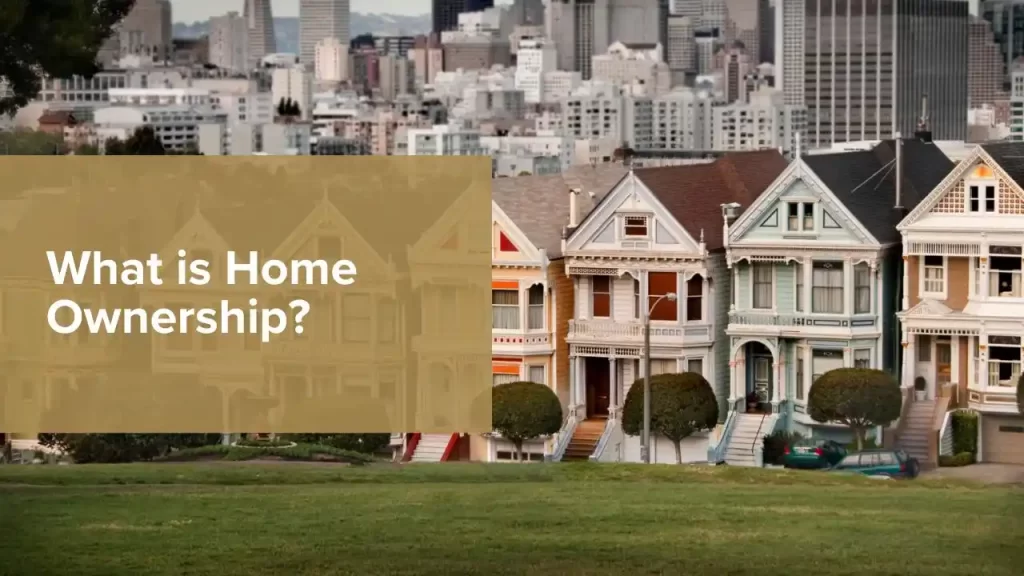
What is Home Ownership?
It means the home in which you live and the owner of that house, and give you financial support and a sense of belonging. It shows that you have many responsibilities that include the property maintenance, tax compliance and financial managment with the time. Most of the buyers depend on the loans and should analyse the processes such as down payment, credit checks and legal paperwork.
Buying a home is a major financial step with different forms, such as freehold or leasehold, affecting ownership rights. Rates and procedures vary globally, influencing affordability and access. Despite challenges, it remains a key life goal for many individuals and families seeking stability and long-term investment.
Main Facts and Figures About Home Ownership
Ownership levels depend on the economy, affordability, and access to mortgages. In recent years, ownership patterns have varied across different income groups and demographics.
- In England, the estimated rate is about 65% of all households, followed by the private rented sector at 19%, and the social rented sector at 16%.
- In the whole UK, about 53% of adults own their own homes. According to the 2024 buying a house ratio was equal to 29.7 million people, which is going up from the 50% in 2023.
- Homeownership is most common among people who are 65 years old or over this age. Home buyers under 35 years old are only around 10% of all homeowners in England.
- The ownership rate is different for each area, like in the london it is 46.8% that is the lowest rate, and in the south east leads at 67.1%.
- In the UK, about 28% own their homes without paying the loan, and 25% hold an active mortgage.
- 28% own outright, and 25% hold an active mortgage.
- The average house price in the UK from January 2026 is about £269,800, but this rate varies in each area due to some factors.
- The average rate for monthly rent has reached £1,367 in January 2026, which shows the 3.5% annual increase, and highlights the difficulty for young buyers to save a deposit.
Cost Breakdown for The Home Ownership UK
In the UK, the money to buy a home and get the ownership of the amount of cost is given below in the table:
| Cost | Range of cost (2026) |
| Deposit | 5-10% of property value |
| Stamp Duty (FTB, £300k home) | £0 |
| Stamp Duty (Home mover, £300k) | £5,000 |
| Solicitor or Conveyancing | Up to £1,800 |
| Survey | £300-£1,500 |
| Removals | £450-£1,400 |
| Mortgage arrangement fee | Up to £1,500 |

Types of Home Ownership
There are different types of home ownership in London that have significant rights with specific responsibilities.
Sole ownership
It means that only one person is responsible for the property as the owner of it. They have full control of the home due to ownership, and this option is best for single buyers and investors. The sole owner has complete responsibility to pay all the debts, taxes and follow the legal rules.
Joint ownership
In this type of ownership, multiple individuals share the ownership of a property. This is best for couples and joint families. In case of the death of one of the property partner what happens to their share depends on the type of joint ownership in place. According to the joint tenancy agreement, the share of the deceased person automatically passes to the surviving owner, such as any blood relative, who is known as the right of supervision.
Tenants in common
It allows joint owners to hold unequal shares in a property. Ownership shares can be split in any way desired. There is no automatic transfer after the death of the share owner. This method is common in where buyers contribute different deposit amounts.
There are also different terms of ownership:
- Freehold
- Leasehold
- Shared Freehold
Freehold Property
If you hold freehold, it represents both the building and the land where the building is located. There are no limitations, so you can remain the owner. You are responsible for maintenance and must follow legal and local council rules. Buying a freehold can be more expensive than a leasehold property.
Leasehold Property
These properties are leased to an owner for a fixed term, often used for flats and apartments. When the lease ends, the property reverts to the freeholder. Short leases can reduce property value and affect mortgage approval. Owners usually pay service charges and must follow lease terms.
Shared Freehold
It allows leaseholders to collectively own the freehold of a building. This gives more control over maintenance and costs. Lease extensions are easier, potentially up to 990 years. However, purchasing a shared freehold can be expensive.
Affordable Home Ownership Schemes
You may be able to get financial help from the government to buy a House Ownership UK. Some of the affordable schemes for buying a home available include:
- Discounted homes for first-time buyers: Get a home for less than its market value if you are buying for the first time.
- Shared Ownership: Purchase a portion of a property and pay rent on the remaining share to make buying more affordable.
- Lower rent payments: Tenants can benefit from reduced rent to help save for a deposit for future Ownership.
- Loans for building a home: Assistance with the cost of building a home or hiring someone to construct it.
- Loans for new-build homes: Financial support to help first-time buyers afford a newly built property.
Is Home Ownership Better Than Renting?
It is often seen as a sign of stability and success in society because home owning make the society stable. In the whole world, many examples still show that the low-ownership-rate countries are highly developed. This idea clarifies that owning a home is not only a way for social or economic development.
As we analyse from a financial point of view, the cost of renting and buying is almost similar, with not much difference. As for the renting tenants pay the rent every month, and at the same time, the homeowners have to face the mortgage payments, interest and insurance costs. The decision of choosing between renting and buying totally depends upon the personal status of the person, lifestyle and financial approach.

The Home Ownership Rate Region-Wise in the UK
| Region | Ownership Rate | Average House Price | Key Fact |
| Northern Ireland | 63% | £185,000 | Highest ownership rate in the UK, most affordable nation to buy |
| South East | 59% | £305,000+ | 2nd highest ownership rate, listings up 9% in early 2026 |
| North East | 58% | Below UK avg | Highest rent inflation at 8.0%, making buying more attractive |
| Scotland | 56% | £192,418 | Owning a mortgaged home is 5.5% cheaper than renting |
| East Midlands | 55% | Below £305,000 | Consistently strong ownership rate nationally |
| Yorkshire & The Humber | 54% (avg) | Below UK avg | Highest outright ownership at 29%, no mortgage debt |
| Wales | 49% | £215,518 | Renting is 15.8% cheaper than owning a mortgaged property |
| West Midlands | 48% | Below £305,000 | Falls below 54% national average |
| Greater London | 48% | £269,800 avg | Lowest in the UK, listings up 16% year on year in early 2026 |
Conclusion
Home ownership in the UK covers a range of options from freehold and leasehold property to the shared ownership of houses. Each of them have their specific rules, costs and responsibilities. In 2026, about 65% of english household own their homes, and the property ownership rate increased to 5.5% in this year. Its not matter whether you are buying or selling a house, you should have a correct knowledge about the ownership types, legal rights and support to make the process easy to manage.