Portable Appliance Testing for Landlords and Rental Properties

Portable Appliance Testing helps landlords keep appliances safe while meeting everyday UK safety expectations. Many rental owners include PAT testing as part of their wider compliance routine with the Property Management Company experts.
Although this test is not always a strict legal requirement by name, it shows that electrical equipment is being checked and maintained responsibly. In this guide, we explain portable appliance testing requirements, what landlords should test, its cost, and how it fits into ongoing property compliance.
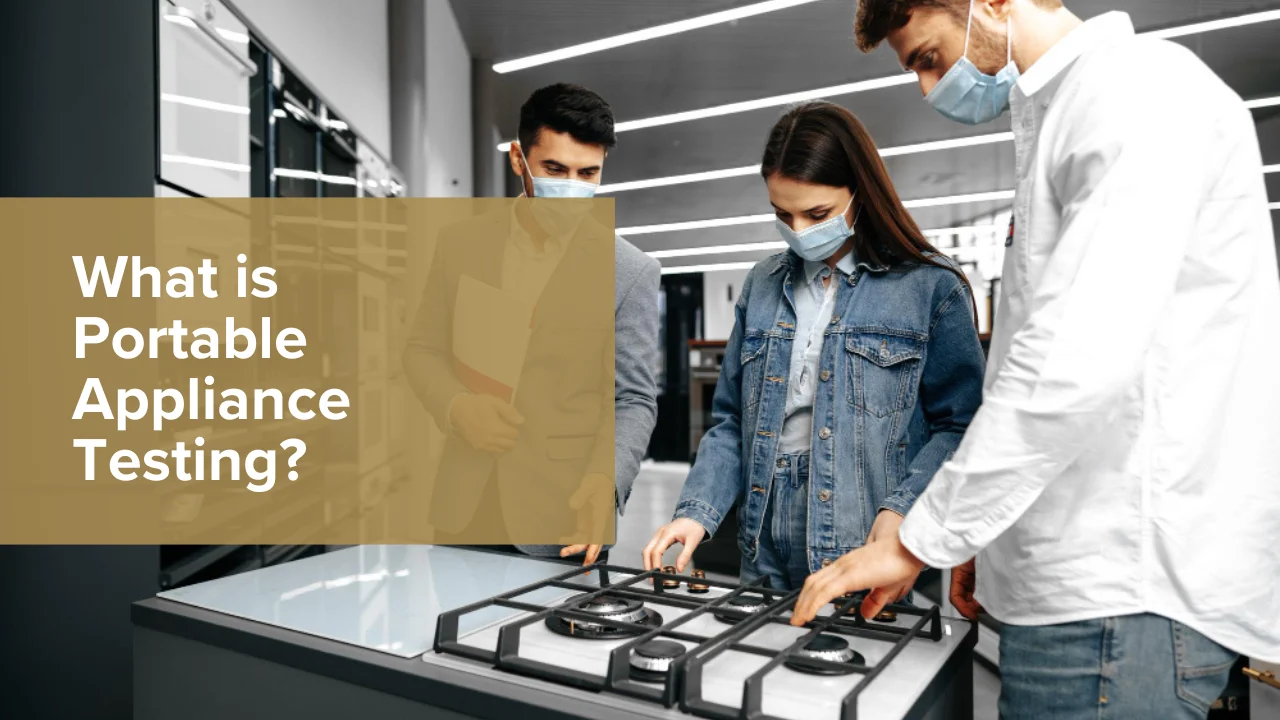
What is Portable Appliance Testing?
It is commonly referred to as PAT testing, which is the procedure of testing electrical appliances that have a plug in them to ensure that they are safe to use in the long run. PAT testing, as opposed to an EICR, is conducted on other equipment that is supplied numerous times in a home by landlords.
This is to ensure damage or electrical faults are detected early, before they pose a danger to tenants or visitors. On the landlord’s behalf, it also provides a clear record that the appliances have been inspected in the course of maintaining the property.
What PAT Testing Includes
Rather than one single test, PAT testing is a combination of checks carried out in stages. Each section seeks a different type of problem. The visual inspection is first done, followed by electrical testing where necessary:
Most faults are found without switching anything on. The tester checks:
- Plugs, fuses, and cable strain
- Exposed wires or loose connections
- Burn marks, cracks, or signs of overheating
- Damaged casings or temporary repairs
After the visual check, a portable appliance tester may be used to confirm safety through:
- Earth continuity checks for earthed appliances
- Insulation resistance testing
- Polarity and functional checks
| Once inspected, each appliance is marked as: | |
| Pass | safe to remain in use |
| Fail | should be repaired, replaced, or removed from service |

Is PAT Testing a Legal Requirement in the UK?
This is where many landlords get confused. Portable Appliance Testing itself is not usually written into law as a fixed requirement. Instead, UK safety rules focus on a wider duty: electrical equipment must be kept in a safe condition and should not present a risk to tenants or users.
The rental properties are not based on a rigid rule. Types of homes, HMOs, or properties that have licensing conditions could require more defined safety records. The problem is not the presence of an active PAT certificate. It is about a landlord showing reasonable care and safe management of the supplied appliances.
Unsure what applies in your situation?
We at PMC can help you map out the right compliance steps.
When PAT Testing Matters Most for Landlords
Rental properties do not all have equal amounts of risk. PAT testing will be even more applicable in cases where the landlords provide the appliances or when they are used more frequently. In such cases, regular checkups are used to verify that safety is being handled practically, as opposed to being handled by chance.
Furnished and Part Furnished Rentals
When the landlord supplies appliances, it is normally the role of the owner to maintain the safety of the appliances. Things such as kettles, microwaves, lamps or extension leads may not seem large, but, in reality, they may be the most common items used. PAT testing provides an easy method by which landlords can monitor the items that have been tested.
HMOs and Higher Risk Setups
Shared houses continually experience increased utilisation of appliances, and the movement of equipment between rooms increases. Kitchens, laundry equipment, and plug-in heaters can be worn out more quickly with several tenants using them. In this case, many landlords perform PAT testing as a more comprehensive compliance routine.
Holiday Lets and Short Lets
The same can’t be said about short-term rentals since the same appliances are used by new customers. There is more use of items, and it is more likely that the things will be damaged accidentally, or the loose cables may go unnoticed. Periodic PAT testing can help owners keep standards consistent between guest stays and reduce the risk of faults.

Landlord Licensing and PAT Testing
Portable appliance testing may also begin to be more applicable in certain areas in the event that a property is subject to a local licensing scheme. Landlords may be requested to provide evidence of the maintenance of electrical equipment as requested by councils.
It is more likely to be implemented in licensed HMOs or selective areas of licensing. This doesn’t necessarily imply that PAT testing is mandatory. Clearly documented inspection records can, however, assist in the duty of a landlord and can be useful in proving responsible management.
Due to the local qualities of regulations, the expectations may differ depending on the council, type of property and the terms of the licence that the tenancy was granted. Landlords usually carry out appliance testing along with other safety records to place all the documents in a single location instead of managing them individually.
If you need support understanding license conditions or preparing compliance paperwork, our landlord licensing assistance service can guide you through what applies to your property.
Contact our landlord licensing team now.
What Needs PAT Testing in a Rental Property
The issue of PAT testing is with the appliances that the landlord provides and not the wiring of the building. When an object is connected to a socket and the tenants utilise it as an element of the tenancy, it must normally be incorporated in your safety examinations.
Appliances Commonly Tested
Rather than testing everything blindly, landlords usually start with appliances that see regular use. These often include:
- Computers and monitors
- Adaptors and power leads
- Electric cable extensions
- Extension leads and multi-plug adapters
- Chargers or power leads supplied by the landlord
- Printers, photocopiers and scanners
- Dishwashers and washing machines
- Tumble dryers
- Fridges and freezers (including those supplied with the tenancy)
- Microwaves
- Toasters
- Kettles
- Table lamps and floor lamps
- Desk lamps
- Portable heaters or fans
- Electric fans
- TVs or small electrical units provided with furnished lets
- Desk equipment in home-office setups
What is not PAT testing
PAT testing does not cover fixed electrical installations such as wiring, sockets, fuse boards, or hardwired systems. Those fall under periodic electrical inspections carried out through an EICR, which looks at the overall safety of the installation.
If you want to understand how fixed wiring checks differ from appliance testing, you can read our guide to electrical safety inspections and EICR checks. Keeping both types of inspection separate helps landlords avoid confusion and makes compliance records easier to manage.

What are the Steps to Carry Out a PAT Test
PAT testing follows a simple method. The aim is not to overcomplicate the process but to check appliances in a consistent order so faults are picked up early. Most inspections move through three clear stages.
Step 1: Visual inspection
The first check is always visual, and it often reveals the majority of problems. The tester looks for:
- Damaged plugs or bent pins
- Loose wiring or taped repairs
- Frayed cables or exposed conductors
- Burn marks, cracks, or signs of overheating
Step 2: Electrical tests
If the item passes the visual stage, a portable appliance tester may be used to confirm that the internal electrical safety is sound. Depending on the appliance type, this can include:
- Earth continuity testing
- Insulation resistance checks
- Polarity or functional checks where suitable
Step 3: Pass or fail
Each appliance is then marked with an outcome, either a pass, which means safe to remain in use, or a fail, which requires repair, replacement, or removal
What You Can Expect After PAT Testing
After PAT testing has been done, landlords are normally provided with records that clearly indicate what was tested and the state of each appliance. These are documents that are useful in proving that equipment has been checked as part of a reasonable safety routine. They may come in use when tenancy changes, during licensing scrutinies, or in general property management checks.
Rather than just a sticker on a plug, most inspections provide a structured outcome that may include:
- An appliance list or inventory showing items tested
- Pass or fail results for each appliance
- Notes on any faults or recommendations
- Labels indicating inspection dates or future review guidance
Want your compliance records kept tidy across properties?
Property Management Company can help you organize safety documentation.

How Often Should PAT Testing Be Done
No single rule exists that says yearly PAT testing should be done. The risk-based approach to inspection is common in the UK and is not time-based. The concept is to inspect the appliances frequently enough to ensure their safety. Rather than simply basing its criteria on dates, landlords tend to weigh a handful of viable criteria:
- How the appliance is used
Items handled daily, moved between rooms, or shared by multiple tenants may need more frequent checks than equipment that stays in one place.
- The type of property
HMOs, furnished rentals, and short lets typically see heavier use of appliances, which means wear and tear can happen faster.
- Condition and age of equipment
Older appliances or those with previous faults may benefit from closer monitoring compared to newer items.
- Environment and risk level
A busy shared kitchen usually carries more risk than a low-use appliance in a quiet residential setting.
Portable Appliance Testing Cost in the UK
The prices of testing of the portable appliances in the UK are determined by the number of items and the accessibility of the property. The majority of PAT testers charge per appliance; however, large work schemes can be offered on an hourly or a fixed price package basis.
| Number of items tested | Average UK cost | Notes |
| 1-50 items | Around £1.25 per item | Common for small rental properties |
| 51+ items | Around £1 per item | A bulk discount is usually applied |
| Minimum visit fee | £40-£60 | Covers call-out and setup |
| Hourly rate (where used) | £40-£60 per hour | May rise for out-of-hours visits |
| Small landlord packages | £45-£65 | Often covers 10-30 appliances |
The question is what affects the PAT cost?
Rather than just the number of appliances, several practical factors influence pricing:
- Volume of equipment
- Property layout
- Reporting and documentation
- Travel and call-out charges

PAT Testing Checklist for Landlords
Many landlords think PAT testing is part of their regular compliance routine rather than a one-off task. A simple checklist helps keep appliance safety organised without adding unnecessary admin.
Appliance planning
- Keep a basic inventory of plug-in appliances you supply
- Note which items move often or get heavy from daily use
Tenancy moments to review
- Start of a new tenancy
- After maintenance visits or appliance replacements
- During wider safety reviews alongside other checks
Record keeping
- Store test results with tenancy documents
- Update your list when appliances are removed or replaced
- Keep notes on recurring issues to spot patterns early
Common PAT Testing Myths
Portable appliance testing can be quite a confusing issue, particularly among landlords who are being advised by multiple people. Especially on the same topic in relation to contractors, councils, and internet manuals. It is possible to simplify the definition of the role PAT testing plays in property safety by clearing up some of the common myths.
- PAT testing is a strict legal requirement every year
Reality: UK regulations focus on keeping electrical equipment safe rather than enforcing a fixed annual PAT certificate. Testing frequency is usually based on risk, appliance type, and how often items are used.
- Only qualified electricians can carry out PAT testing
Reality: The work must be done by a competent person with the right knowledge and equipment. While many landlords choose professional testers for peace of mind, competence matters more than a specific job title.
- Every appliance must be PAT tested
Reality: Not all equipment needs formal testing. Low-risk items or new appliances may only need regular visual checks unless there is damage or heavy use.
- A PAT sticker alone proves compliance
Reality: Labels are helpful for tracking inspections, but keeping clear records and maintaining appliances safely is what really supports landlord responsibilities.