What Is a Rental Inspection Checklist and Why UK Landlords Need One?

You are a landlord in the UK, and you have to make the rental inspection checklist before and after the tenancy ends. Because it helps to minimise the risks in the future for both renters and landlords, and they stay in compliance with legal rules. If there is any damage in property, such as wear and tear, during the tenancy, then it’s the responsibility of the tenants to repair the damage. Landlords should also perform the check in the first three months after the tenants stay in the rented home.
The Property Management Company is providing you with information in this guide about what an inspection report is and how it works.
Why do Landlords Perform a Rental Inspection Checklist Of Property?
They perform the rental inspection of the property because it is compulsory to manage the rental property. Regular checkups help them identify any maintenance issues, and they can easily plan renovations for the property. If they have already listed all the damages in the checklist at the start of the tenancy, it reduces conflicts between the tenants and them caused by property damage.
What Do Tenants Need to Know about the Rental Inspection Checklist?
Rental property inspections are part of most tenancies and help to keep the home safe and well-maintained. When you know your rights and what landlords can legally check, the process feels much less worrying. These are some important points related to it that are given below:
- Landlords must give at least 24 hours’ written notice before entering the property.
- Inspections are usually carried out every 3 to 6 months.
- You have the right to be present during the visit.
- Entry without permission is only allowed in genuine emergencies.
- Fair wear and tear cannot be treated as damage.
- Inspection records can affect your deposit at the end of the tenancy.
When Should You Use a Rental Inspection Checklist?
A rental inspection should be used at the start of the tenancy to keep the original record of the property. It is also used to note any change occurring during the tenancy in the property. This complete check-up list helps to compare the properties before and after the tenancy ends. It is also used before making any decisions about deposit deductions or resolving disputes between the tenant and landlord.
How Do You Complete a Rental Inspection Checklist?
You can complete it by inspecting the property at the start, during routine check and at the end of the tenancy. In the inspection checklist, also add the photos, notes and signatures to keep an accurate record. It helps in reducing disputes and maintaining a good relationship between the tenant and landlord
Move-in inspection
When the tenants move into the rented home, they should carefully inspect every room and any damage associated with it, cleanliness, and used appliances. They should keep a note of any changes in the report.
Routine inspection
This inspection is performed during the tenancy, and the tenant should review the checklist for any changes, wear and tear. If any maintenance or repairs are required, then the landlord should solve them as soon as possible.
Move-out inspection
At the end of tenancy, the tenant should compare the property’s current condition to the move-in checklist, highlighting any damage beyond fair wear and tear.
What Are the Laws For Rental Property Inspections In Different Areas of the UK
As the inspection for the rental property is different for every area in the UK.
| Region | Notice Period Required | When Inspections Are Allowed | Tenant Rights & Key Rules |
| England | At least 24 hours’ written notice before inspection. | Inspections are allowed for checking property condition, repairs or agreed visits. | Landlords must respect quiet enjoyment and visit at reasonable times with written notice. |
| Northern Ireland | At least 24 hours’ written notice is expected before an inspection. | Visits can occur to check property conditions or maintenance with your consent. | Tenants can be present; excessive or disruptive visits may breach privacy rights. |
| Scotland | At least 48 hours’ written notice before entry for inspections (unless emergency). | Inspections are done for condition checks, repairs, or safety reasons. | Tenants can request reasonable alternative times; unannounced visits may be unlawful. |
| Wales | At least 24 hours’ written notice must be given before inspection. | Inspections must take place at reasonable times and for legitimate reasons. | Landlords must respect tenant privacy and give proper notice, except in emergencies. |
Give Tenants Notice Before Conducting a Property Inspection
In the UK, it is legally important for the landlords to give the tenant notice about 24 hours before entering the rented house. The notice should be in written form, such as in an email, text or letter, in which the reason for visiting is clearly mentioned. They should visit during day time, and in case of emergenc,y there is no need to give notice 24 hours in advance.
Safety and Compliance Checks During Property Inspections
During every inspection, landlords should perform these checks for the safety and to meet the legal rules. These inspections help to reduce any accidental issues in future. In addition, landlords should confirm that right-to-rent checks were properly completed before the tenancy starts. Some checks that are mandatory for the landlord to perform before entering the tenant in the residential rented house are given below.
Smoke Alarms
Test the smoke alarms whether they are working or not. Also, check the CO alarms and if there is a need for replacement of batteries, then do it quickly.
- Heating and Hot Water: If the houses have heating appliances, such as for hot water, heat boilers are used, then the landlord will inspect them to see if they are working properly. They should also check when the service was performed because it helps to understand the current condition of the boiler. It’s important to do the service annually as it increases the efficiency of its operation. If you find any fault in these appliances, then hire a professional engineer to solve the problem.
- Appliances: Check all the appliances in the residential rented home are working smoothly and have no dangerous issues.
- Electrics: In addition to appliances check ups, there is a high need for checking the electrical appliances, such as sockets and light fittings. Make sure all the sockets are working normally, and if any switch or electric wire is broken or not working, change it as soon as possible. You should make sure that electrical checks are carried out in line with recent legislation.
- Fire Escapes: Analyse the fire doors are functioning normally and all escape routes, such as hallways and stairs, are clear and must remain free from obstructions like furniture, storage boxes, or bicycles that could block evacuation routes. If it’s your responsibility or it has been blocked by a neighbour, you should ensure that any blockage is clear and that the escape is safe to use.
Spotting Signs of Tenancy Breaches During Property Inspections
While most tenants follow their tenancy agreements, inspections provide an opportunity to identify any breaches early so they can be addressed through proper communication and documentation.
Smoking
If you are a landlord who has written in the tenancy agreement to ban smoking in the home, then you can do an inspection. If you are a smoker, then it will be easy to detect the smell of cigarettes. Sometimes renters try to mask this smell and spread the fragrance or perfume highly.
Another indication of smoking is that there will be nicotine stains on walls and ceilings, and it leaves yellow stains on them that will be shown in the light. The damage that is done due to smoking takes time and is costly, so address it on time.
Pets
If you have not allowed the tenant to keep the pets at your rented home, then you can check at the inspection time. If you find scratched doors, mess, scratches, or pet hairs on the carpet or floor, these are the signs that show the tenant has kept the pet at your rented home.
Additionally, if they refuse to let you inspect the specific room, they will then it’s a strong sign that they have kept the pets at home. So, you can take legal action against it and communicate with the tenant.
Signs of Illegal Activity
This commonly does not happen, but you should keep a strict eye on the activities of the tenants. You should look for unusual or chemical odours that could suggest drug production or use, such as strong acetone, ammonia, or vinegar smells.
Check for drug-related paraphernalia, including needles, burnt foil, pipes, or excessive packaging materials. Be concerned if tenants refuse access to certain rooms or areas, or if you notice makeshift locks, reinforced doors, or blocked-off sections of the property.
Property Damage
It’s the responsibility of the tenant to inform the landlord of any property damage to the landlord. But, if during inspection you find any issue that the tenant has not reported, then you should instruct the landlord to report the damages quickly.
Sub-letting
Some landlords have no issue with subletting, but sometimes tenants do scam the landlord. They sublet to extra occupants without the landlord’s knowledge, overcrowding the home. That’s why property owners should stay vigilant against these kinds of scams.
Health and Hygiene Issues to Watch for in a Property Inspection
Maintaining a healthy living environment is both a legal requirement and essential for tenant wellbeing. The health and hygiene issues that a landlord should view in detail during the property inspection are given below:
Damp and Mould
Damp and mould represent serious health hazards that landlords must address promptly under UK housing regulations. Check for visible mould growth, black, green, or brown patches that are particularly in bathrooms, kitchens, corners, and around windows. Look for tell-tale signs like musty odours, condensation on windows, peeling wallpaper, bubbling paint, or water stains on walls and ceilings. These indicate moisture problems that can quickly worsen if ignored.
Leaks
Water leaks can cause extensive damage if they are not treated as a priority. You should perform detailed check-ups under sinks, around toilets, and behind appliances for dripping pipes or pooled water. Don’t forget to check bathroom seals around showers and baths, as failing grouting allows water to seep into floors and cause damage to rooms below.
You should address any leaks immediately with documented repairs because even minor water damage creates conditions for mould growth. It can result in serious structural damage that violates the HHSRS standards.
Pest Infestations
Pests are dangerous and become difficult to eradicate if they are not treated at the right time. During the inspection, deeply analyse the cockroaches, fleas, bedbugs, and wasp nests, as these are among the most common and troublesome pests found in rental properties. In case you find activity such as droppings, shed skin, or visible nests. You should arrange professional pest control immediately if any infestation is discovered.
Blocked Drains
It is a common but preventable issue in residential properties that can lead to serious hygiene problems and costly repairs if left unaddressed. For this purpose, check all sinks, toilets, baths, and outdoor drains during inspections for signs of slow drainage, pooling water, or unpleasant odours indicating blockages.
Poor Cleaning Habits
The majority of tenants look after their homes and generally keep them clean. Where this is not the case, though, you may need to ask your tenants to keep the property in a cleaner state and educate them on how to do this.
Spotting General Wear and Tear During a Property Inspection
Fair wear and tear refers to the natural deterioration of a property through normal tenant use. This legal concept protects tenants from being wrongfully charged for gradual deterioration during the deposit deduction process. Landlords must document property conditions thoroughly with photographs at move-in and move-out to distinguish damage from it.
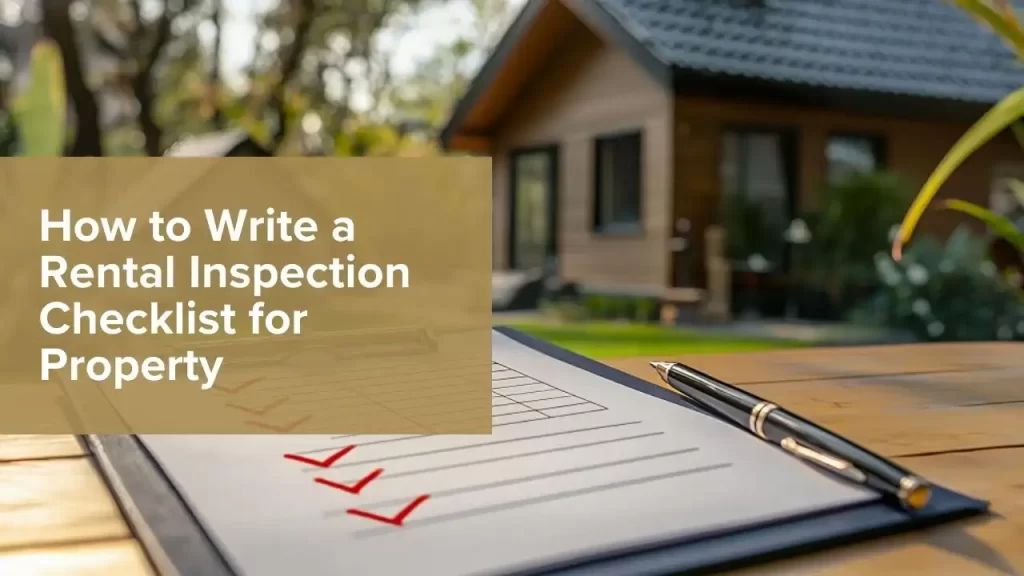
How to Write a Rental Inspection Checklist for Property
The process of writing a rental property inspection checklist is given below in detail:
- Firstly, start with the property address, tenant details, and inspection date at the top of the document.
- After this break, the checklist is divided into different sections such as exterior, kitchen, bathroom, bedrooms and living areas.
- Then, write the present condition: good, fair, poor and space for detailed notice.
- It includes the walls, ceilings, flooring, doors and skirting boards in every room.
- You should check the plumbing fixtures, heating systems and electrical appliances and electrical fittings throughout the property.
- Record the condition of landlord-supplied appliances and furnishings if provided.
- Leave space to document maintenance issues and recommended repair actions.
- Attach dated photographs to support written observations and avoid disputes later.
- Add a tenant comments section to maintain transparency and clear communication.
- Include signatures for both landlord and tenant to confirm agreement on the condition.
Conclusion
The rental inspection checklist is an invaluable tool that protects both landlords and tenants throughout the tenancy. If this inspection is performed regularly and it’s well organised, then it helps to identify the problem easily and solve it without any stress. Overall, a well-maintained checklist creates transparency, builds trust, and helps prevent costly disputes over property condition or deposit deductions.