
Latest Interior Design Trends For The Living Room You Need To Know

What are the most trending home decor ideas to try in 2026? As time passes, some attractive elements replace the old, repetitive vibes for a fresh change. Similarly, new living place decoration ideas become a trend every year.
But, for another level of happiness from a modern interior look, it is worth rethinking what kind of shift will mark the design market and what you can expect from these upcoming interior design trends. In this article, Property Management Company compiled the latest home decor trends that will no doubt shape your living spaces. Whether you’re a homeowner refreshing your space or a landlord looking to attract quality tenants through our letting services, these trends will inspire your next project.

Color Drenching Interior Design Trends
In 2025-2026, color drenching will take a central point in terms of likeability. Some will accept it open-heartedly, and some will let it go. Simply, this trend means one significant colour of your choice is applied to all home surfaces. By ‘surfaces’, we mean walls, ceilings, doors, window frames, and even built-in furniture, which feature a single-colour application.
The main reason it is trending among designers is that it replaces Minimalism with bold, monochromatic, and often maximalist effects. Moreover, this approach also shows an emotional connection and a personal perspective on commitment to a single colour.
Red Orange & Sun-Kissed Colours
These colour combinations reflect a warm, cosy atmosphere while making bold statements and energy vibes. You can use different shades such as persimmon, tangerine, or a yellow-red-orange palette to create a vibrant or bold feel. Designers often get inspiration from the colours of sunset or sunrise that match perfectly with the Earthy tone of terracotta.
Quieter Interiors & Moodier Colours
A calm, sophisticated atmosphere is also becoming one of the most demanded patterns in the next few years. This is possible with a rich or dark colour palette, which ultimately makes less space for bright colours. Homeowners are moving away from off-white shades to quiet luxury interior designs with moody or dark hues like blue and green.
Texture, Materials & Pattern Trends
Homeowners now favour woven fabrics and textures as decorative statements. From a sustainability and aesthetic perspective, it is great, as there are many leather and hide options in terms of texture and colour.
Some use it as curtains or cushions, while others go with bright coloured headbands or wall hangings. Not only this, but this trend extends to bathroom walls, and even handmade rugs have unique geometrical textures these days.
Mosaic Tiles & Small-Scale Prints
From now on, adding patterns or subtle structures to make a busy room attractive without taking up much space is becoming a versatile trend in the market. Different mosaic tile patterns like Geometric and 3D Patterns, Organic and Earthy Tones, and Micro-Mosaics Grids add a gentle finish to any room. Small-scale prints on curtains, wallpapers, rugs, and cushions with minimal pattern detailing can also make bedrooms spacious.
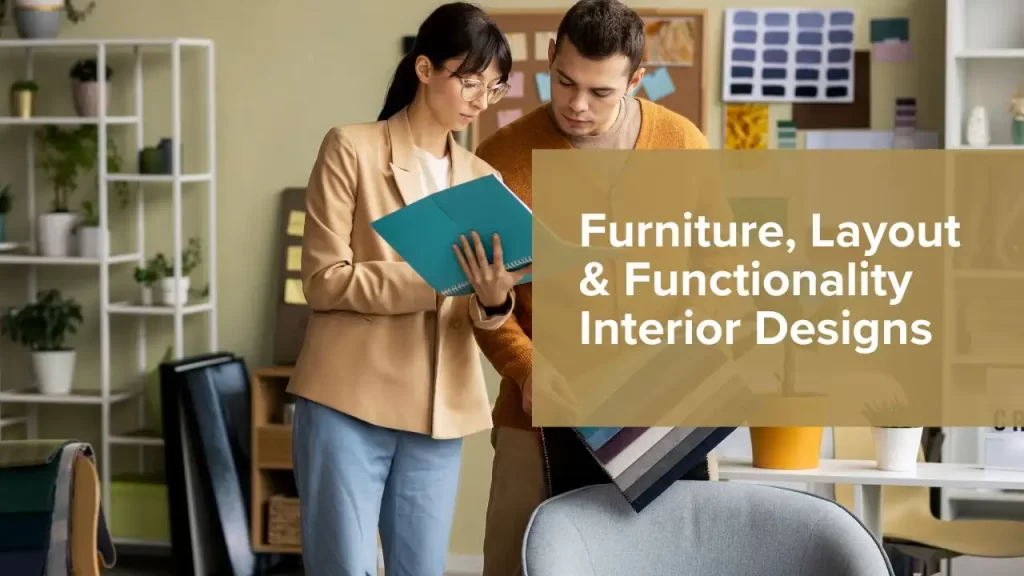
Furniture, Layout & Functionality Interior Designs
Furniture layout refers to arranging a home in a way that maintains functionality, flow, and visual appeal of the space. Functionality highlights the necessary furniture you need based on the intended room use, like reading, dining, and relaxing.
Homeowners can easily decide where to place furniture without overstuffing the space through good layout and flow. Both of these aspects make a home look comfortable and balanced for living.
Maximalism & Experimentation
Maximalism may not suit everyone, as it is just the opposite reaction of minimalism. There is no rule limiting you to one statement piece in maximalism; in fact, more is more can be an expressive phrase to describe this design. Layer and mix different elements, experiment with colours to create something unique, and enjoy the creative process over achieving perfection.
Warm Minimalism
Warm minimalism is expected to replace traditional minimalism design ideas soon. This design combines traditional simplicity with the warm neutral palette, layered texture, and earthy tones to create a more lively atmosphere.
Creamy whites, ivory, beige, tan, oatmeal tones, and soft browns can be used in some spaces to convey warm feelings. On the other hand, Warm minimalists also focus on earthy accent colours such as terra-cotta, burnt orange, mauve, or soft sage green.

Lighting & Decorative Details
Homeowners use statement lighting fixtures, such as unique lamps, chandeliers, or pendants, to showcase their personal style and add an elegant touch. While you are designing, choose a lighting type that matches the home’s theme and personality. For example, ambient lighting can be used for ceiling features, task lighting for a specific activity or area, like a reading room, and accent lighting can add a spotlight.
Biophilic Designs
Biophilic design is making a comeback, where homeowners incorporate natural elements, such as greenery or sunlight, indoors to enhance health and connection with the environment.
There are many ways to include yourself in the trend, such as using natural materials, adding water elements, utilising natural daylight, and featuring vegetation. Keep in mind that the goal of implementing these designs is to add sustainable elements to living spaces, not just decorative ones. Landlords working with our property management team often incorporate biophilic elements to boost tenant satisfaction.
Additionally, Homeowners can create a calming, biophilic feel with colours such as soft greens, warm earth tones, sky blues, sandy neutrals, and rich browns. These shades can give an instant sense of connection to nature, directly or indirectly.
Indoor Plants & Bookscaping
Place indoor plants around your bookshelves to create a positive and relaxing atmosphere. But it is better to use plants that require low sunlight and water requirements.
For example, Snake Plants need low light and water, and Monstera Deliciosa can also make your shelves a soft corner for reading with proper water and moderate light. You can also use trailing plants like Pothos, English Ivy, or String of Hearts. Letting their vines drape down the sides of the shelves seems a unique statement and takes minimal space.
Wood Finishes & Natural Materials
In the coming year, the obsession with wood and other natural materials extends beyond the kitchen. Woods, stones, bamboo, natural fibres and organic textiles can be used for home furnishing, flooring, and decorative elements such as stone artefacts. These design applications can last long, minimise stress, and, more importantly, connect interiors with nature.
Conclusion
Many interior design trends will be available for every homeowner’s style or preference in the coming year. Moreover, there are endless ways of property investment to make them lively, beautiful and calming. Trends like warm minimalism, biophilic natural designs, statement lighting, and different colour themes can help you to transform your space in accordance with mood, personality and style.


