What Are The Heat Network Regulations and Metering In The UK?

Many property managers and tenants face unexpected high heating bills or inefficient systems due to not having clear rules and inconsistent metering. That is why the government introduced the Heat Network Regulations, which came into effect on 27 January 2026. These new rules have set the proper standards for the heat network operators and suppliers to make this system safe for the property owners.
You can get further information from the Property Management Company on how the heat network regulation workswo types of heating network is used, what the new rules are, and the reasons for changing the heat network.

What the Heat Network Regulations Cover
The important points that are covered under the rules of the heat network are given below:
- It will make the Metering and billing process easier and fair.
- In this, the operator’s responsibilities are clearly set.
- This network covers consumer protection for overcharged bills and inaccurate bills.
- It also covers the technical issues of the heat network.
- There are proper standards for compliance and reporting that are set under the regulations of the heat network.
- These regulations encourage the use of low-carbon and sustainable heating systems.
- It covers schemes like HNTS to verify that operators meet all technical and safety requirements.
What is a Heat Network?
It is the shared cooling or heating system that is installed in high buildings to provide heat to all the flats of the building from a single centralised plant. This plant is composed of the large boiler, heat pump, and other centralised equipment such as chillers or thermal storage units. This energy is supplied through the pipe works in the form of hot water, steam, or chilled liquid. Two types of heating network are used in buildings such as
- District Heating Networks: These networks of heating are used in two or more buildings with multiple users.
- Communal networks: It is used in single buildings with multiple users.
Why Heat Networks are Important
These networks are important because they provide reliable heating and hot water to multiple homes across communities. This heating is delivered through insulated pipes, which reduce the energy lost. The benefit of this system is that it lowers the carbon emissions and supports the large scale energy management. By using this heating network, the heat energy and water are provided to the residents and businesses continuously without any disturbance.

How Many People in the UK Use The Heat Network?
| Key Statistic | Current Estimate in the UK |
| Households connected to heat networks. | Over 477,000 homes |
| Estimated number of people using heat networks. | Around 1.1 million residents |
| Total heat networks are operating. | More than 14,000 networks |
| Share of UK heating supplied by networks. | About 2-3% of the total heat demand |
| Expected future growth. | Government plans major expansion by 2050 |
What are the Reasons for Changing the Heat Network Rules?
Consumer Protection
In the past few years, households that were connected to the heat network have had very few protections compared to the customers using a regular gas or electricity supplier in the UK. The new regulations of the heat network provide the tenants more safety by making office of Gas and Electricity Markets (OFGEM) the energy regulator. Ofgem is responsible for setting clear and fair pricing and service standards. These are responsible for keeping a complete overview of the heating network system.
Market Standardisation and Accountability
Many tenants and property managers have faced incorrect billing and unclear operational standards for years. The important reason for changing the heat network rules is to make the system standardise operations and enforce operator accountability. This initiative will protect the consumers and increase trustworthiness in the UK.
Decarbonisation and Low-Carbon Technologies
In the urban and rural areas where the carbon heat is excessive, the UK government has adopted a net zero strategy. This strategy will help in delivering the low-carbon heat in the high-density development areas. These new regulations will decrease the dependency on the use of fossil fuels and reduce heat waste and carbon emissions.
Innovation and Future Proofing
The reason for updating the regulation for the heat network is also to enable capable of adopting new technologies. These technologies include a hydrogen heating system, smart metering system, and hybrid heating. This change will allow the operator to upgrade their infrastructure efficiently with new standards to provide environmentally friendly heating to customers for decades.
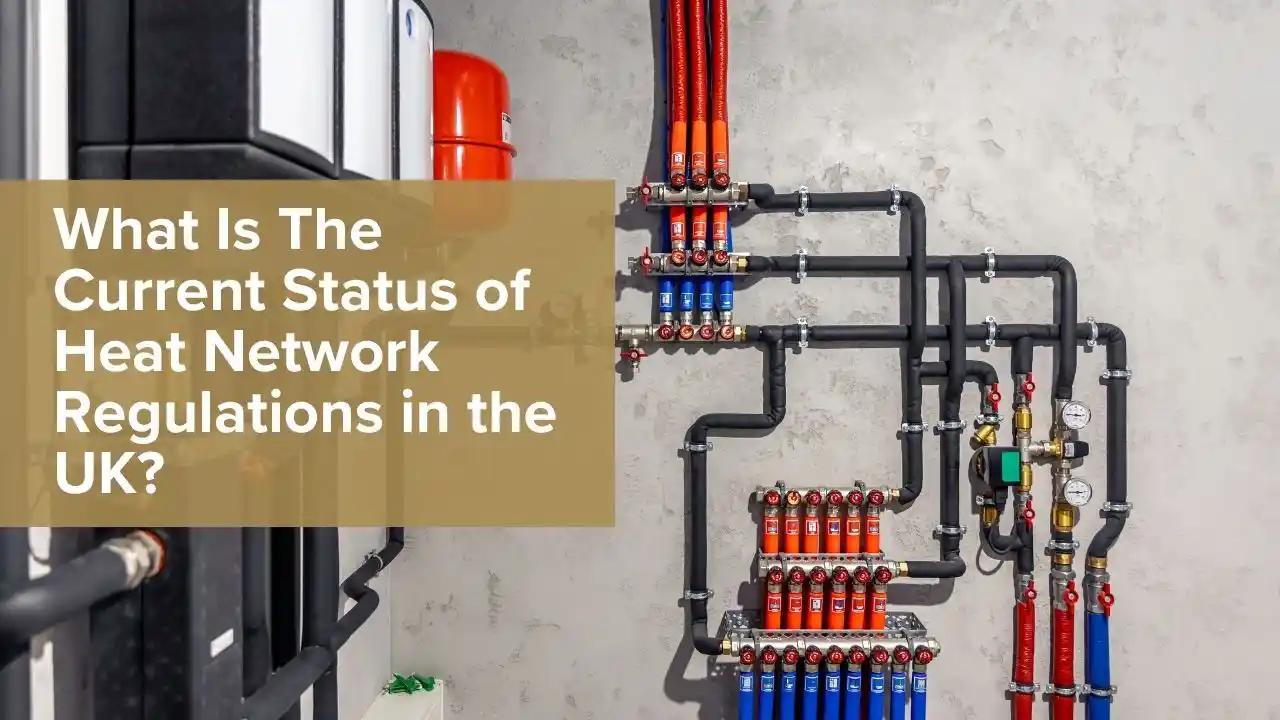
What Is the Current Status of Heat Network Regulations in the UK?
The heat networks updated rules 2026 have officially brought all heat systems in Great Britain under the supervision of Ofgem that will protect the consumers. All the already existing networks of heating systems in the UK should be registered by 26 January 2027 with a new digital service. This new digital tool is launching in Spring 2026, but the main point is that before starting the supply new heating system must be registered.
The heating networks that are operating before the new regulations come into effect. These are allowed to keep running even if they are not registered, but meet the technical standards under the HNTAS (Heat Network Technical Assurance Scheme), which will be introduced by 2027.
Rules for Heat Network Operators and Suppliers
Some important rules for the operators and suppliers of the heat network system are given below:
For Operators
- They should register with Ofgem and keep details updated.
- Operators should install and maintain approved meters.
- They must follow HNTAS technical and safety standards.
- Its their responsibility to report performance and maintain records.
- Operators should provide consumer information and dispute resolution.
For supplier
- It’s mandatory for the suppliers to supply heat on thebase of actual consumption.
- They should provide transparent and accurate bills.
- They must comply with consumer protection regulations.
- They should coordinate with operators for safety and compliance.
- Must supply heat based on actual consumption.

Overview of the Heat Network Technical Assurance Scheme (HNTAS)
The heat network technical assurance scheme is provided by the government, which was launched under the Energy Act 2023. The main purpose of this scheme is to introduce the standardized technical performance for the communal and district heat networks. It is mandatory for all existing and older heat safety networks in Great Britain. This scheme uses the key performance indicators and technical standards to measure performance.
Digital Reporting & Record-Keeping Requirements for Heat Network Regulations
The table below highlights what should heat network operators follow according to new regulations for digital reporting and record keeping requirements.
| Digital Requirement | Rule Under Heat Network Regulations |
| Network Registration | Operators must register heat networks through the digital system managed by Ofgem before supplying heat. |
| Data Reporting | Operators must submit operational and performance data through the regulator’s online reporting platform. |
| Record Keeping | Accurate digital records of energy supply, billing, and network performance must be maintained for regulatory review. |
| Network Information Submission | Operators must provide details such as network size, location, and supply arrangements during registration. |
| Nominated Operator Reporting | Where multiple organisations manage one network, a nominated operator must submit regulatory data. |
| Data Verification | Operators must confirm or update previously submitted data during each reporting cycle. |

Heat Network Zoning and Expansion
Heat network zoning means dividing a building or district separate heating zones and each should have its own control and metering process. It will help the operators to measure the consumption of heat accurately. Instead of technical management, the government also used the heat network zoning for expanding the heat network in the large communal areas and to connect with new homes.
The government has outlined the role of the heat network system in central and local authorities in zone identification and its requirements within the zone.To support it 28 local authorities in the whole England are working to find the optimal zoning boundaries and collecting the important data regarding it. The data that will be provided to the authorities will guide the full implementation of the Heat Network Zoning Policy.

The Complete Checklist for the Supplier for Heat Network Regulation
According to the updated Heat Network Regulations, suppliers should follow this legal compliance checklist to avoid penalties
- Register with Ofgem: Official network registration.
- Install Approved Meters: Accurate heat measurement.
- Issue Transparent Bills: Clear, usage-based charges.
- Set Fair Pricing: Avoid overcharging customers.
- Follow Consumer Protection: Handle complaints properly.
- Coordinate with Operators: Ensure network performance.
- Maintain Records: Digital logs for audits.
- Submit Regulatory Data: Report performance online.
- Follow HNTAS Standards: Compliance with safety rules.

Step-by-Step Guide for New Heat Network Installations
The step-by-step guidance for new heat network installations is explained below:
Planning and Design
Firstly, analyze the need for the heat system in the building or area, then prepare the design of the system. Follow this point strictly, that the design should be according to the HNTAS standards and safety rules. Also, analyze whether the project is located in the heat network zones that will help in the process of managing the connection.
Installation and Metering
After this, get the important planning and building approvals, then lay the network of pipe work. Next is to connect the pipes with the heat sources, such as boilers or a heat pump. At the end, you have to install the important machinery, such as Heat Interface Units and verified customer heat meters for accurate billing.
Testing and Commissioning
The next step is conducting the test to check the accuracy of the meter’s operation and its efficiency. After monitoring, confirm that the network system provides the heating continuously and complies with regulatory requirements before handover.
Registration and Ongoing Compliance
Then register the network with Ofgem and submit the initial data by using the digital reporting platform.
Conclusion
The heat network regulations in the UK create a framework for how communal and district heating systems operate and help the consumers. These updated regulations focus on accurate metering, transparent billing, and consumer protection. As these rules come into force, they will increase the energy efficiency and low-carbon heating systems in the whole country.