What Is Social Housing UK? Investment & Its Rate

Social Housing UK are those affordable rented houses that are provided by the local council or housing authorities to people who need them. The rates of these houses are less than those of the privately rented. Because their rates are connected with the income of the local areas, rather than that of the private rent market. Investment in social housing helps to build affordable housing.
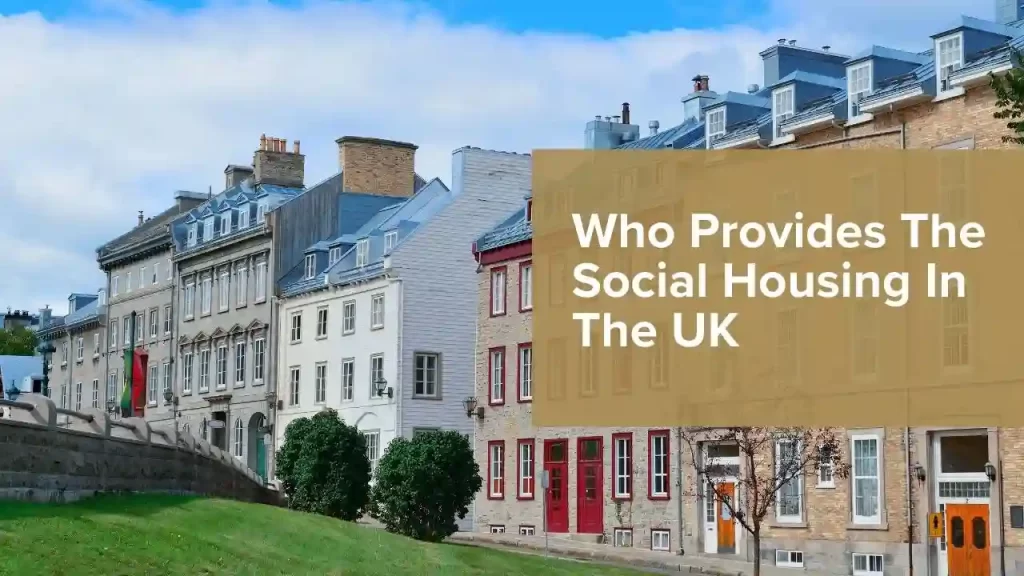
Who Provides The Social Housing In The UK
In the UK, social housing, also known as public housing, is provided by local councils or housing associations. Normally, both are used as the same term, but technically, the local council term is used for those homes that are built by the council or owned by it. In the social housing, residents are social tenants, and the local council and association act as landlords.

What Is The Purpose Of The Public Housing?
The main purpose of this housing is to give the workers, residents and other needy people safety, security and easy access. This housing was started in the early 20th century, after the First World War, to give stability to people in the UK. Council homes were first time was built at the huge scale under the 1919 Housing Act. After this, housing associations and councils are expanded at large scale for the welfare of the residents.
Why Is Social Housing Affordable in the UK?
It is affordable in the UK because the rent is set according to the local areas, which is affordable for everyone who needs these houses. As the weekly rent for the social houses is about £113.69, but the private rented houses have twice as much, that is 237£. In the previous year 2024-2025, about 5680 new public homes were built, but net loss of 560 houses that were demolished. Its simple reason that the government and local council are not spending money on these homes there main focus is on the new large buildings.

What Are Rules to Apply to the Social Housing UK?
- To apply, the applicant should have a local connection, which means that they should be living, working, or their families should be staying in these areas.
- They should have a low income rate of the savings and household incomes to qualify for this.
- Applicants should not own suitable property or have access to affordable private housing.
- Those with a history of serious rent arrears or anti-social behaviour may be disqualified.
- Priority is given to families with children, disabled members, or elderly residents in need of support.
- Applicants usually need to register with the local council or housing association and provide proof of eligibility.

Who Can Apply For The Social Housing uk?
Each council has its own rules and criteria for applying to the public housing. In the table below is explained who can apply and who is not eligible for it.
| Can Apply | Cannot Apply |
| Low-income families are struggling with private rent. | People who can easily afford private rental homes. |
| Workers need affordable housing. | Individuals without a local connection to the area. |
| Elderly or retired residents needing support. | People with a history of serious rent arrears or anti-social behaviour. |
| People with disabilities or special housing needs. | Those who already own suitable property or housing. |
| Single parents or caregivers with dependents. | People whose income or savings exceed eligibility limits. |

How To Apply For Social Housing?
You have to apply for the social housing online via the local council. The important steps that are required for this are given below:
- Register with Your Local Council: The initial step is that you have to register with the local council through the official website or at the physical office.
- Complete Housing Application Forms: You have to fill out the housing application forms online at the government website or by requesting a paper application form from the council.
- Provide Personal and Household Details: You have to give the required personal and household documents, such as full names of the family members, dates of birth, and national insurance numbers. You also need to provide the utility bills, bank statements and current housing condition.
- Submit Proof of Eligibility: You need to provide the official documents to verify whether you are eligible for this social housing or not. These documents include the medical certificate for the disabled persons, pay slip and other important papers. The Council verify these documents and assigns you a priority band according to your eligibility.
- Wait for Allocation: Once you have registered in the housing council, you have to wait for the approval of the offer. The council department will contact you if you are eligible for this offer and meet the necessary criteria. Some housing councils give the chance to make a bid on suitable properties.

How Long Is the Waiting List For Social Housing In the UK?
There is no specified time for the application to be processed because the waiting list varies with the location, demand, and priority status. In those areas that have high demand for these houses, it may take this process of application acceptance for several years. But in the short local area, it takes less time compared to the other areas.
The government gives priority to persons who are disabled, have children, or have an urgent need for housing. There are more than1.3 million households on the waitinglist for social housing.
Is Social Housing The Same As Council Housing?
Social housing is a broad term that is used to help needy people in the UK by providing affordable homes. But the council housing is a type of public housing that is managed by the local housing authority. Now most of the councils are handing over their properties to a housing association for property management. These organisations are not only managing the properties but also providing the
- Job assistance
- Community hubs
- Support to the youth

Detailed History of Social Housing UK
The important points in the history of public housing are highlighted below in the table:
| Year | Housing Policy Update | Key Housing Figures |
|---|---|---|
| Medieval era | Almshouses and charitable housing | Early shelter for the elderly and the poor. |
| 1919 | Addison Act | Councils began large-scale building. |
| 1950s | Post-war building boom | 147,000 homes built per year. |
| 1960s | Peak council housing era | 25% of UK housing was council housing. |
| 1974 | Housing Act funding boost | Major funding for housing associations. |
| 1980 | Right to Buy introduced | Reduced council housing stock. |
| 1980 | Housing association growth | 400,000+ homes in England. |
| 2010 | Funding reduced by 60% | Social rent funding stopped. |
| 2010-11 | Before funding cuts | 36,000 social rent homes started. |
| 2011-12 | After funding cuts | Just over 3,000 homes started. |
| 2026 | Housing crisis | 90,000 needed yearly, but 5,000 built. |
Conclusion
Social Housing UK is owned and managed by the local councils and housing associations. It is provided to needy people after reviewing their priority bands. These rented homes are cheaper than the privately rented homes. These are available for the disabled, retired, people with childern and those who have a need of home in urgent basis. Overall, social housing makes sure that everyone with genuine need can access a safe, affordable, and supportive place to live.