UK Landlord Responsibilities to Protect the Tenants and Property

Being a landlord in the UK can be rewarding, but it also entails numerous legal responsibilities that must be adhered to. These include tenancy agreements, deposit protection, safety checks, and property licensing. In fact, UK landlords’ responsibilities cover a wide range of legal, financial, and safety obligations.
If these rules are ignored, landlords may face heavy fines or even legal action. This guide by Property management company shows you how to stay compliant and keep your property safe and well-managed.

Why Do UK Landlord Responsibilities Matter?
It is because it is the responsibility of the landlords to provide every possible facility to the renters according to their legal obligations. Their responsibility is not only to give their property on the rent and get the rent but also fulfil the tenants rights. Firstly property owners should perform a detailed check to see whether they have the right to rent share code to live in the UK.
It’s also their legal duty to avoid the discrimination during performing the legal checks. They should also keep the home safe and comfortable for tenants to minimize the risks of tenant landlord disputes .In case of repair needs the landlord should respond promptly to the renters’ complaint.

What are the Legal Responsibilities of the Landlords in the UK?
Its legal duty of the landlords to follow the legal rules and regulations for making the property safe to live and compliant with the law. The important legal obligations of the landlords are given below:
Tenancy Agreements and Protecting Deposits
The first responsibility of the landlord in the UK since 2007 is that they must protect the tenancy deposit in a verified government scheme within 30 days of the start of tenancy. The main schemes that are included in it are
- The Deposit Protection Service
- MyDeposits
- The Tenancy Deposit Scheme
After deposit they should provide the prescribed information to the tenants in which written what type of the scheme is used for deposit the rent. If the landlord does not provide this information to the landlord then they cannot serve the Section 21 notice. At the end of tenancy it is the legal obligation of the landlord to return the deposit within 10 days if there is no dispute between the tenant and landlord.
Right to Rent Checks
Since 2016, landlords in England have been legally required to carry out Right to Rent checks. This applies to all tenants aged 18 and over, including those not named on the tenancy agreement. Landlords must verify whether a tenant has the legal right to rent in the UK, either through immigration documents or a Right to Rent share code.
This law applies only in England, not in Scotland, Wales, or Northern Ireland.
The rules apply equally to all tenants. Landlords must not discriminate based on colour, race, or ethnicity. Failure to carry out the checks properly can result in unlimited fines or imprisonment for up to 5 years.
Energy Performance Certificate (EPC)
An EPC is a legal requirement before renting a property or selling a property in the UK. The certificate provides an energy efficiency rating from A (most efficient) to G (least efficient) and is valid for 10 years.
Only an accredited assessor can conduct an EPC inspection, and a copy must be given to the estate agent or letting agent. By law, rental properties must meet the MEES regulations, which require a minimum EPC rating of E.

Gas, Electrical and Fire Safety Obligations
Landlords are responsible for the property’s structure and safety, including gas, electrical, and fire safety standards.
Gas Safety
- A Gas Safe registered engineer must carry out annual gas safety checks.
- The engineer inspects boilers, flues, pipes, and gas appliances.
- Landlords must provide tenants with a valid gas safety certificate.
- Any defects must be repaired promptly.
Electrical Safety
- Since 2020, landlords must arrange electrical safety inspections at least once every five years.
- A qualified professional must produce an Electrical Installation Condition Report.
- Landlords must give tenants a copy of the EICR.
Fire Safety
- Fire safety assessments must be completed before the tenancy starts.
- Furniture provided must be fire-resistant.
- In HMOs, landlords must install fire alarms, fire blankets, and fire extinguishers.
- Escape routes must remain clear and accessible at all times.
- Portable Appliance Testing is not a legal requirement, but is recommended every two years.

Property Licences and Permissions
Landlords may need to obtain a licence from their local council before renting out a property. Some councils require selective licences. For example, Redbridge Council operates a selective licensing scheme. You can check your property’s requirements through the council’s licensing map.
Landlord’s Right of Access and Notice Requirements
Landlords have the right to access their property for inspections and repairs, but tenants also have the right to quiet enjoyment. This means landlords must give at least 24 hours’ notice and arrange a suitable time for access. In emergencies such as fire, gas leaks, or water damage, landlords may enter the property without permission.
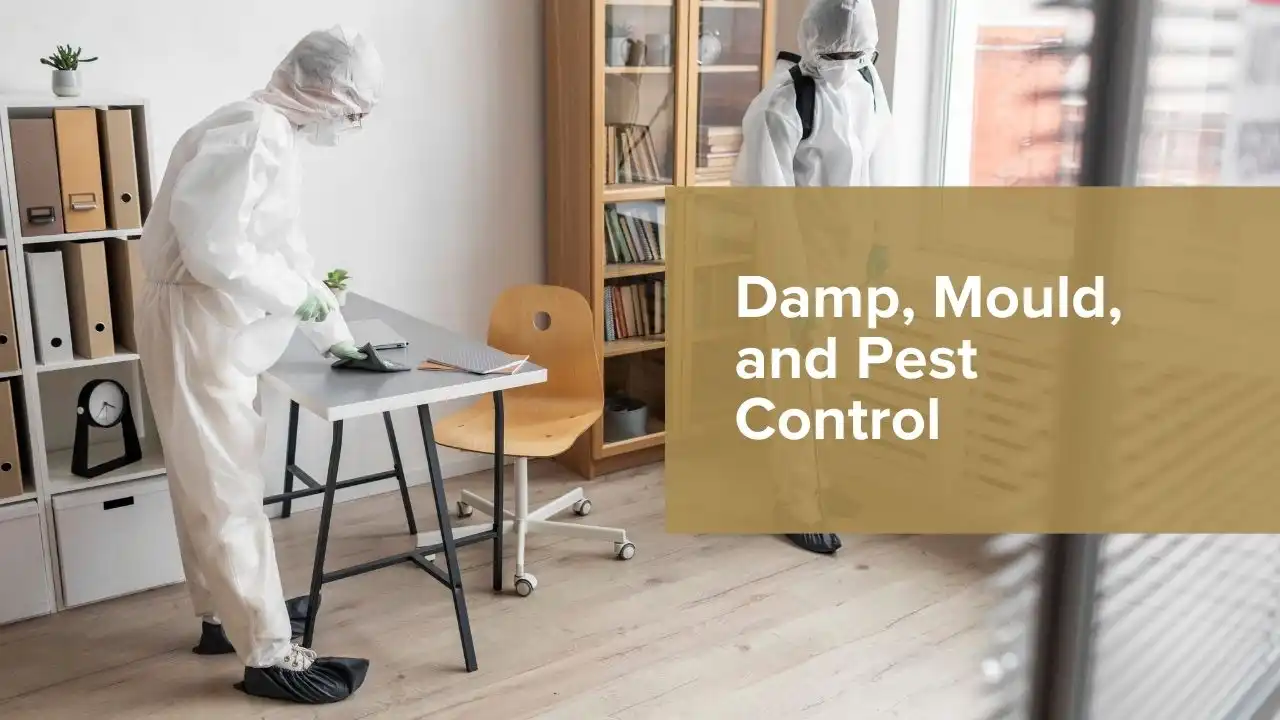
Damp, Mould, and Pest Control
UK Landlords’ responsibilities also include damp, mould, and pest control, which they must handle properly.
Damp and Mould
Rising damp and penetrating damp in the property are the landlord’s responsibility, as are condensation and damp caused by poor heating, ventilation, and insulation. These issues relate to the property’s structure. However, if damp is caused by the tenant’s lifestyle, then it is the tenant’s responsibility to prevent it.
Pest Infestation
Landlords must ensure that pests such as rats, mice, and similar infestations do not enter the property. If pests enter the property and an infestation occurs, it is the landlord’s responsibility to take action against it.
Structural and Exterior Repairs
It is the landlord’s responsibility to keep the property in good condition and fit for habitation. The building’s exterior and structure are also the landlord’s responsibility, and they must solve any problems that arise. Maintaining the exterior structure includes gas pipes, chimneys, baths and toilets, heating systems, water tanks, and electrical wiring.

Health and Safety Obligations
Both landlords and tenants are responsible for health and safety obligations. Under the 1974 Act, it is the tenant’s responsibility to follow fire safety regulations, which are clearly mentioned in the lease agreement.
A workplace must provide:
- A reasonable temperature
- Adequate lighting, space, and ventilation
- Drinking water
- Safe equipment
- Toilets and washing facilities

Fire Alarms and Carbon Monoxide Alarms
According to the 2022 regulations, landlords must install a smoke alarm on every floor of the property and carbon monoxide alarms in rooms with solid fuel-burning appliances (such as boilers, gas or coal fires, or wood-burning stoves). If any of these alarms become faulty, landlords are responsible for repairing or replacing them.

Safe Furniture and Fittings
Landlords are responsible for fixtures and fittings that already exist in the property. Fixtures are items attached to the property (for example, lighting and heating systems). Fittings are items not attached to the property (for example, a picture). Any fixtures and fittings installed by tenants are their own responsibility, and this should be clearly stated in the lease agreement.

Financial Responsibilities of Landlords in the UK
Landlords have to fully fill the legal as well as the financial responsibilities. Some important are given below:
Paying Rental Income Tax
Landlords have to pay tax on the rental income after deducting the expenses.This tax is calculated by the HMRC that tells how much tax you have to pay. In addition, landlords in the UK or London must also pay Stamp Duty, Capital Gains Tax, and National Insurance.
Insurance Requirements
At the start of tenancy landlords must do insurance on the rented property. Because it helps them to recover their financial losses and damages.
Mortgage Responsibilities
Before renting the property landlord should notify about the property to their lenders or insurer. Its simple reason is that renting can affect the mortgage terms and insurance coverage.
Key legal obligations landlords must consider when renting out a property:
- Install carbon monoxide and fire alarms
- Meet MEES requirements
- Ensure electricity and heating systems are safe
- Follow local authority regulations, such as HMO licensing
- Keep the property safe, habitable, and in good condition

UK Landlord vs Tenant Repair Duties
As the landlord is responsible for the tenants rights at the same time tenants also have legal duties thatare given below:
| Responsibility | Landlord Duties | Tenant Duties |
| Major Repairs (structure, heating, plumbing) | Must fix within reasonable time | Report promptly; no fixes needed |
| Gas/Electrical Safety Checks | Annual certificates required | Test alarms; report faults |
| Damp/Mould Prevention | Investigate causes (e.g., ventilation) | Ventilate properly then report early |
| Minor Maintenance (light bulbs, cleaning) | Not required | Handle tenant-like manner |
| Rent Payments | Set fair increases | Pay on time |
| Property Access | Give notice for inspections | Allow reasonable access |
| Common Areas (HMOs) | Maintain safety | Keep clean |

Checklist of UK Landlords’ Responsibilities
- Provide a written tenancy agreement and a How to Rent guide.
- Protect tenant deposits in a government-approved scheme within 30 days.
- Carry out Right to Rent checks (England only).
- Give tenants an Energy Performance Certificate (EPC) before renting.
- Arrange annual gas safety checks by a Gas Safe engineer.
- Arrange electrical inspections every 5 years and provide an EICR.
- Install and maintain smoke alarms (every floor) and CO alarms (rooms with fuel appliances).
- Ensure fire safety (escape routes, fire alarms, fire-resistant furniture, HMO fire equipment).
- Apply for a property licence or HMO licence if required by the council.
- Keep the property safe, habitable, and structurally sound (plumbing, heating, wiring, drains, exterior).
- Handle damp, mould, and pest control (unless caused by tenant lifestyle).
- Provide safe fixtures and fittings already included in the property.
- Give 24 hours’ notice before property access (except emergencies).
- Pay rental income tax and other financial duties (Stamp Duty, CGT, NI).
- Maintain suitable landlord insurance and inform the mortgage lender.
Final Thoughts
By following the UK landlords responsibilities you not only protect yourself from the penalties but also protect your property and tenant relationship. If you ignore these responsibilities then as a result you have to pay heavy fines or loss of income. Being proactive and compliant also ensures tenants’ safety and fosters long-term trust in your rental management.